
Introduction:
In our fast-paced lives, maintaining a healthy relationship with food is crucial for overall well-being. Adopting positive daily food habits not only enhances physical health but also contributes to mental and emotional balance. Let’s explore some key practices that can help you cultivate a lifestyle of nutritious and satisfying eating.

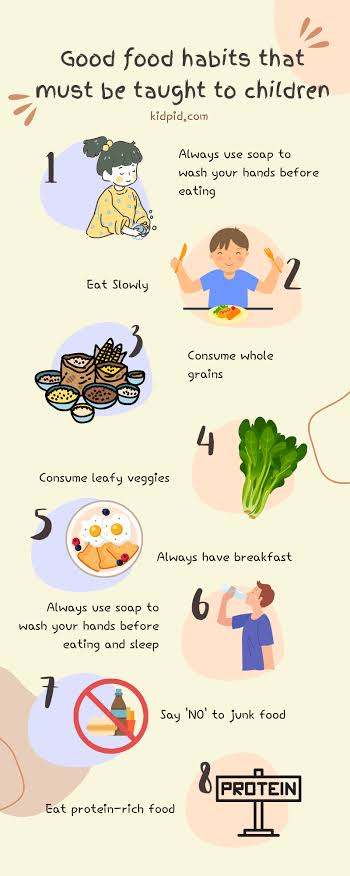
- Start with a Wholesome Breakfast:
Begin your day with a balanced breakfast that includes a mix of protein, fiber, and healthy fats. This kickstarts your metabolism and provides sustained energy throughout the day. - Mindful Eating:
Practice mindful eating by savoring each bite, paying attention to flavors and textures. This helps prevent overeating and promotes a healthier relationship with food. - Hydrate Throughout the Day:
Stay hydrated by drinking an adequate amount of water. Water is essential for digestion, nutrient absorption, and overall bodily functions. Consider infusing water with fruits or herbs for added flavor. - Incorporate a Rainbow of Fruits and Vegetables:
Aim to include a variety of colorful fruits and vegetables in your daily meals. Different colors represent various nutrients, and a diverse diet ensures you receive a wide range of essential vitamins and minerals. - Choose Whole Grains:
Opt for whole grains such as brown rice, quinoa, and oats instead of refined grains. Whole grains provide more fiber, which aids in digestion and helps maintain steady blood sugar levels. - Include Lean Proteins:
Incorporate lean protein sources like poultry, fish, tofu, or legumes. Protein is crucial for muscle repair, immune function, and feeling satiated. - Healthy Snacking:
Snack on nutrient-dense options like nuts, seeds, yogurt, or fresh fruits. This keeps your energy levels stable between meals and reduces the likelihood of reaching for less nutritious snacks. - Limit Processed Foods and Added Sugars:
Minimize the consumption of processed foods and foods high in added sugars. These can contribute to inflammation, energy crashes, and long-term health issues. - Practice Portion Control:
Be mindful of portion sizes to avoid overeating. Using smaller plates, listening to hunger cues, and taking time to enjoy your meal can help with portion control. - Plan and Prepare Meals:
Take time to plan your meals and prepare them at home when possible. This gives you more control over ingredients and helps you make healthier choices.
Conclusion:
Cultivating healthy daily food habits is a journey towards a more vibrant and fulfilling life. By incorporating these practices into your routine, you not only nourish your body but also establish a foundation for long-term well-being. Remember, small, consistent changes lead to significant improvements over time.

 The Food-O-Pedia