

Introduction:
The early years of a child’s life are crucial for their growth and development, and nutrition plays a pivotal role in ensuring a strong foundation. As parents, caregivers, or guardians, providing a well-balanced and nutritious diet is essential to support their physical and cognitive development. In this comprehensive guide, we’ll delve into the world of healthy foods for babies aged 1-5 years, exploring the nutrients they need and offering practical tips to make mealtime a nourishing experience.
- Understanding Nutritional Needs: The nutritional needs of toddlers are unique, requiring a balance of macronutrients (carbohydrates, proteins, and fats) and micronutrients (vitamins and minerals). During this stage, rapid brain development, growth spurts, and increased physical activity demand a diverse range of nutrients.
- Building Blocks of a Healthy Diet: a. Protein:
Protein is crucial for muscle development and overall growth. Incorporate lean sources such as poultry, fish, beans, and tofu into their meals. b. Carbohydrates:
Opt for whole grains like brown rice, quinoa, and whole wheat bread to provide sustained energy. Limit refined sugars and opt for natural sources like fruits. c. Fats:
Healthy fats are essential for brain development. Include avocados, nuts, seeds, and olive oil in their diet. - The Power of Fruits and Vegetables: a. Colorful Variety:
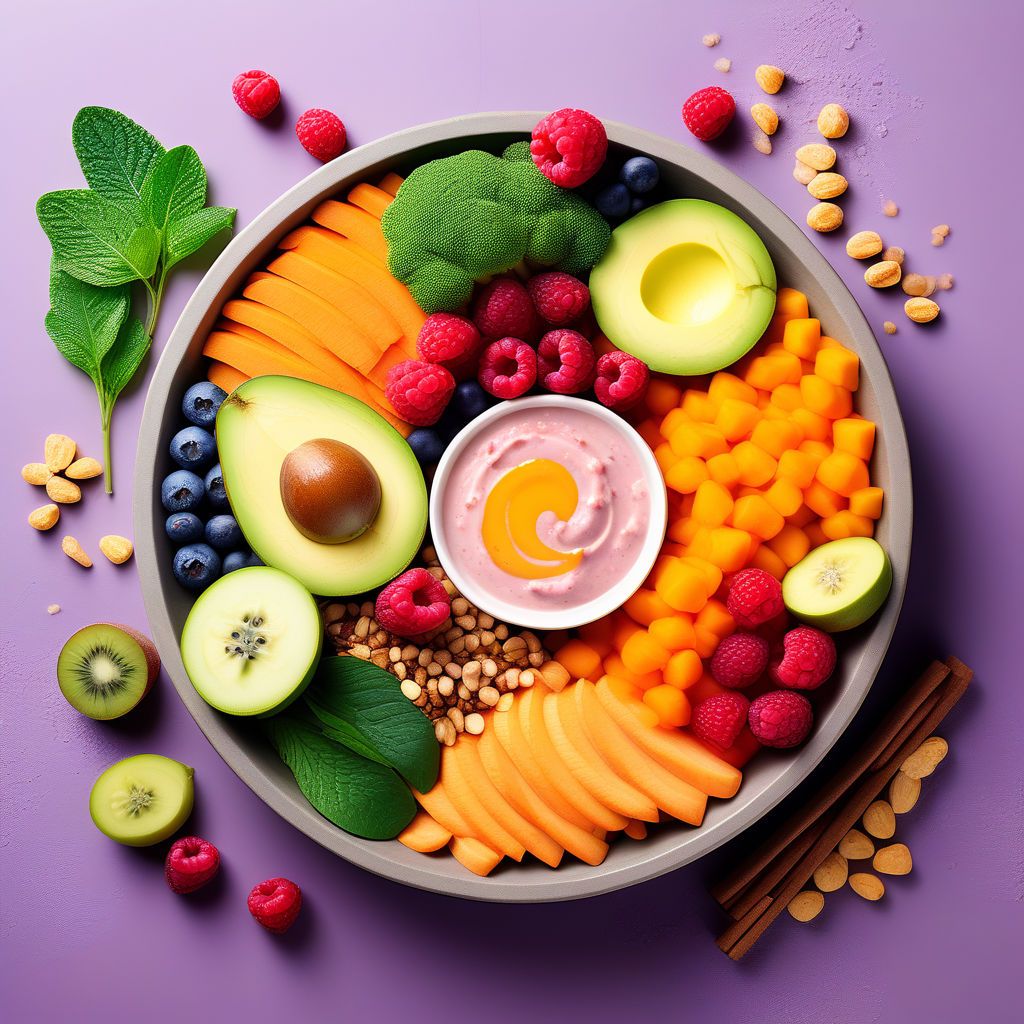
Introduce a rainbow of fruits and vegetables to ensure a diverse range of vitamins and minerals. Make it fun by creating colorful and appealing fruit salads or veggie skewers. b. Hidden Veggies:
Sneak vegetables into meals creatively – blend them into smoothies, puree and mix into sauces, or create veggie-packed muffins. - Dairy and Alternatives: a. Calcium-Rich Choices:
Dairy or fortified plant-based alternatives like almond or soy milk are crucial for bone development. Include cheese and yogurt for added variety. b. Watch for Allergies:
Be mindful of any potential allergies and introduce new dairy or alternative products gradually. - Iron-Rich Foods: a. Meat and Alternatives:
Red meat, poultry, fish, and plant-based sources like lentils and beans provide essential iron for cognitive development and energy. b. Vitamin C Boost:
Enhance iron absorption by pairing iron-rich foods with those high in vitamin C, such as oranges, strawberries, or bell peppers. - Hydration Matters: a. Water Intake:
Encourage water consumption throughout the day to keep little ones hydrated. Limit sugary beverages and opt for water or diluted fruit juices. b. Creative Hydration:
Infuse water with natural flavors by adding slices of fruits like citrus or berries. - Navigating Picky Eating: a. Role Modeling:
Children often mimic adults, so make mealtime a positive experience by showing enthusiasm for a variety of foods. b. Offer Choices:
Provide a selection of healthy options, allowing your child some control over their choices. - Allergies and Dietary Restrictions: a. Introducing Allergens:
Introduce common allergens like peanuts, eggs, and shellfish one at a time to monitor for any adverse reactions. b. Consulting a Professional:
If there are concerns about allergies or dietary restrictions, consult a pediatrician or nutritionist for personalized guidance.
Conclusion:
In the journey of nurturing healthy and happy toddlers, a well-balanced diet is a cornerstone. By understanding the nutritional needs of children aged 1-5 years and incorporating a variety of nutrient-dense foods, parents can play a vital role in setting the stage for a lifetime of good health. Remember, every bite counts in shaping their future, and the joy of watching them grow strong and vibrant is the ultimate reward.
 The Food-O-Pedia