
Introduction
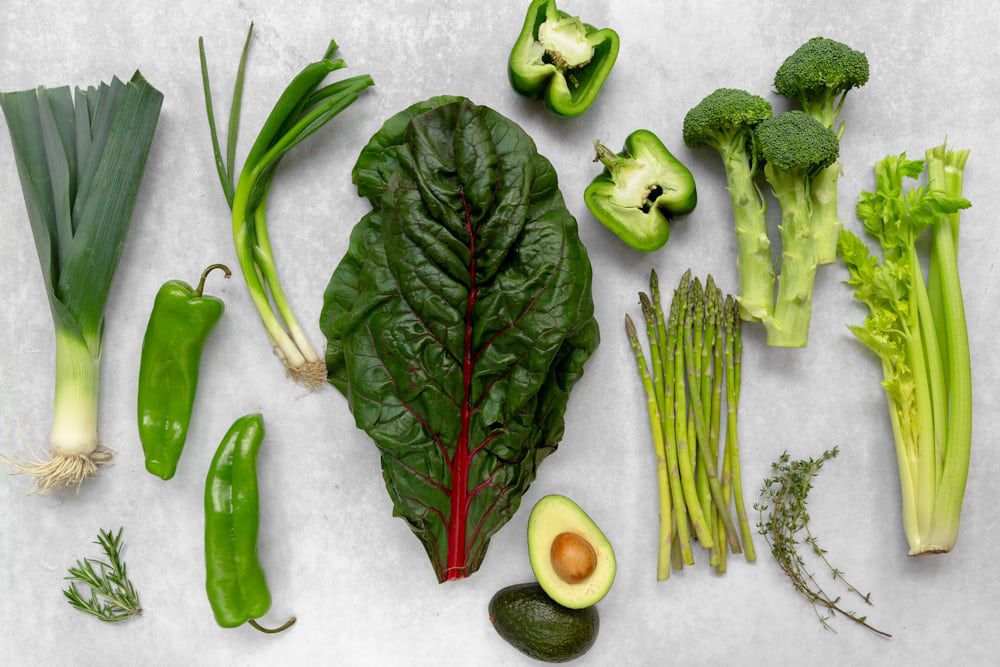
Green vegetables are an essential part of a balanced diet and are often referred to as “superfoods” due to their high nutrient content.
Packed with vitamins, minerals, antioxidants, and fiber, green vegetables play a vital role in promoting overall health and preventing diseases.
Incorporating these vegetables into your daily meals can significantly improve your energy levels, skin health, and immune function.
This blog delves into why green veggies are good for your health and highlights the top 7 green vegetables with their unique benefits and uses.
—
Why Green Vegetables Are Good for Your Health

1. Rich in Nutrients
Green vegetables are abundant in essential vitamins (A, C, K, and B-complex) and minerals (iron, calcium, magnesium). They help maintain healthy skin, bones, and blood circulation.
2. High in Fiber
Fiber in green vegetables aids digestion, prevents constipation, and promotes gut health. It also helps regulate blood sugar levels and reduces cholesterol.
3. Loaded with Antioxidants
Antioxidants in green veggies fight free radicals, reducing the risk of chronic diseases like cancer and heart disease.
4. Low in Calories
Green vegetables are perfect for weight management as they are nutrient-dense but low in calories.
5. Supports Detoxification
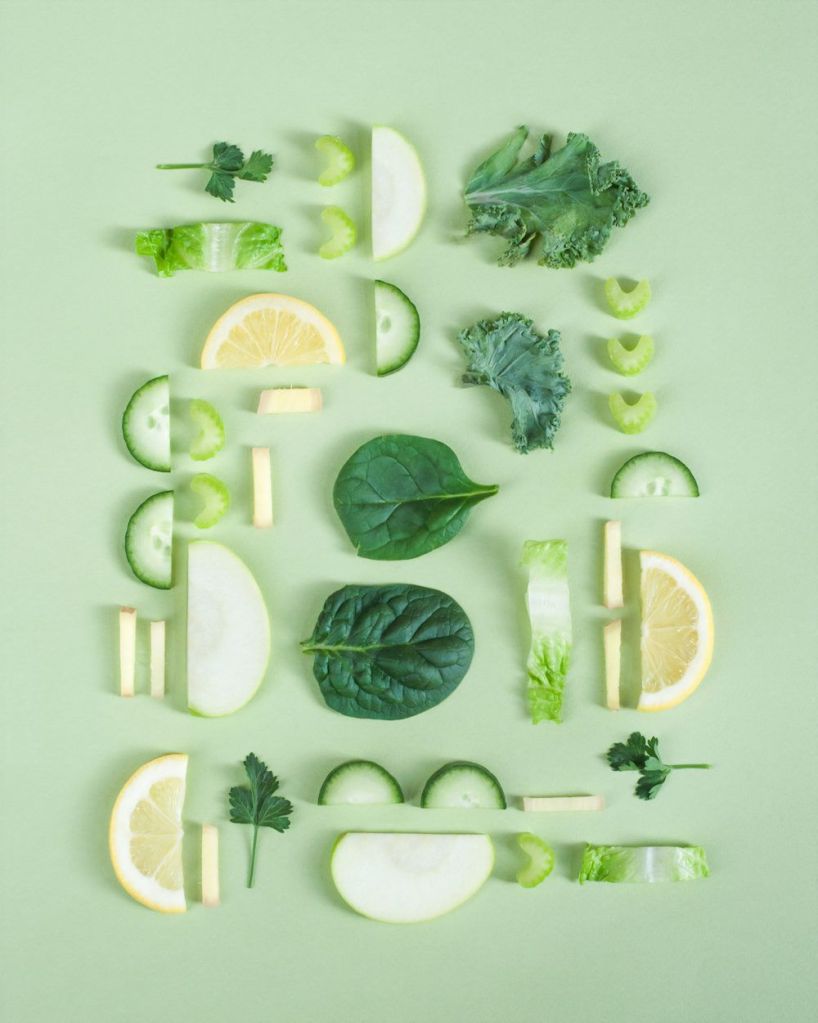
Many greens, such as spinach and kale, contain chlorophyll, which helps detoxify the liver and cleanse the body.
6. Improves Heart Health
Rich in folate, potassium, and magnesium, green veggies support heart health by lowering blood pressure and improving blood vessel function.
7. Boosts Immunity
The vitamin C and antioxidants in green vegetables enhance immune function, helping the body fight infections effectively.
Top 7 Green Vegetables, Their Benefits, and Usefulness

1. Spinach
Nutritional Highlights: Rich in iron, magnesium, and vitamins A, C, and K.
Benefits:
Enhances eye health due to lutein and zeaxanthin.
Promotes strong bones with its high vitamin K content.
Supports blood production with its iron content.
Usefulness:
Use in salads, smoothies, soups, or sautéed as a side dish.
2. Kale
Nutritional Highlights: High in vitamins A, K, C, and calcium.
Benefits:
Strengthens bones and teeth with its calcium and vitamin K.
Reduces inflammation due to antioxidants like quercetin.
Supports heart health by lowering cholesterol.
Usefulness:
Ideal for making kale chips, green smoothies, or as a salad base.
3. Broccoli
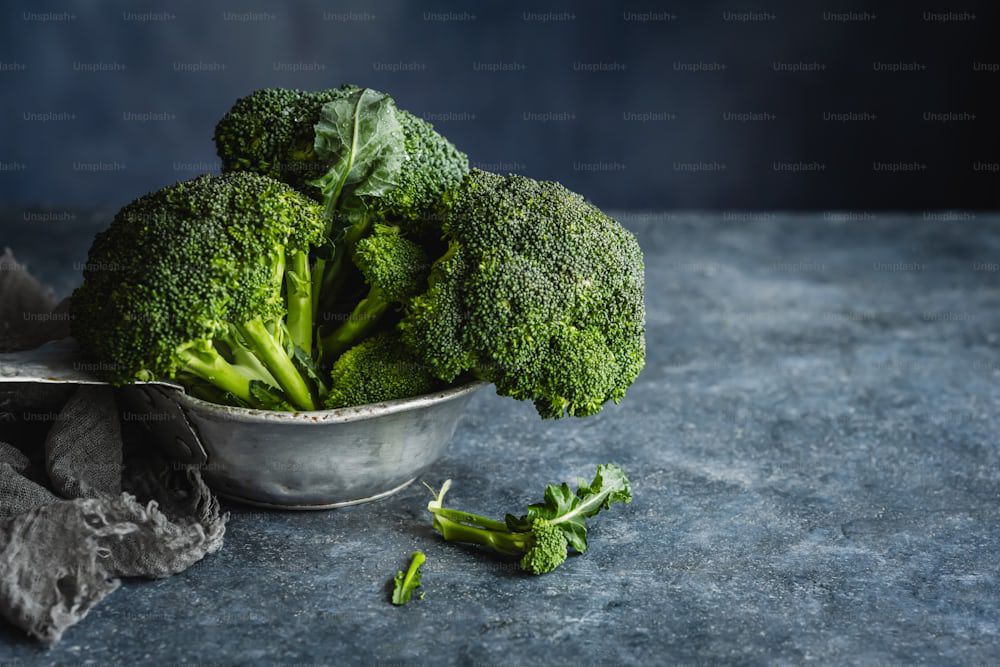
Nutritional Highlights: Contains fiber, folate, and vitamin C.
Benefits:
Boosts immunity with its high vitamin C content.
Contains sulforaphane, which may reduce cancer risk.
Promotes digestion with its fiber content.
Usefulness:
Can be steamed, roasted, or added to stir-fries and casseroles.
4. Green Peas
Nutritional Highlights: Rich in protein, fiber, and vitamins A, B, and C.
Benefits:
Provides a plant-based protein source.
Supports digestive health with its high fiber content.
Reduces risk of heart disease with its antioxidants.
Usefulness:
Great in soups, salads, and rice dishes or as a snack.
5. Brussels Sprouts
Nutritional Highlights: High in vitamins C, K, and folate.
Benefits:
Supports detoxification with its sulfur-containing compounds.
Improves skin health due to its high vitamin C content.
Aids in reducing inflammation.
Usefulness:
Best roasted with olive oil and spices or added to casseroles.
6. Cabbage
Nutritional Highlights: Contains fiber, vitamins C and K, and folate.
Benefits:
Promotes gut health with its fiber and probiotics (in fermented forms like sauerkraut).
Enhances skin health with its antioxidant properties.
Helps in weight management due to its low calorie count.
Usefulness:
Versatile for stir-fries, soups, salads, or fermented as kimchi or sauerkraut.
7. Asparagus
Nutritional Highlights: High in folate, fiber, and vitamins A, C, and K.
Benefits:
Acts as a natural diuretic, aiding in detoxification.
Supports healthy pregnancy with its high folate content.
Improves digestive health with its prebiotic fiber.
Usefulness:
Delicious when grilled, roasted, or added to omelets and pasta.

—
Tips for Incorporating Green Veggies into Your Diet

1. Smoothies: Blend spinach or kale with fruits for a nutrient-packed breakfast.
2. Soups and Stews: Add broccoli, peas, or cabbage to your soups for added nutrition.
3. Salads: Use mixed greens like spinach, kale, and cabbage as a base for salads.
4. Snacks: Try roasted Brussels sprouts or kale chips for a healthy snack.
5. Side Dishes: Sauté asparagus, spinach, or green beans with garlic and olive oil.
6. Main Course: Add green vegetables to curries, stir-fries, and pasta dishes.
—
Conclusion

Incorporating green vegetables into your daily diet is one of the best choices you can make for your health. Their nutrient density, combined with their versatility in cooking, makes them an indispensable part of any meal. By including spinach, kale, broccoli, and other green veggies, you can improve your overall well-being and enjoy a variety of delicious dishes. Start adding more greens to your plate today and reap the numerous health benefits they offer!
 The Food-O-Pedia